January 12, 2026 | In Air Quality, Health, Resources
$45,000 Grants to Improve Indoor Air Quality in Schools
Why School Districts Should Apply for Cohort 2 of the Go Green Initiative’s “Clean IAQ & GHG Reduction” Program
Indoor air quality (IAQ) is increasingly recognized as a cornerstone of student success, educator well-being, and effective school operations. According to the U.S. Environmental Protection Agency (EPA), indoor air can be two to five times more polluted than outdoor air, and children spend up to 90 percent of their time indoors, much of it in school buildings. These realities make schools a critical place to focus efforts that protect health and support learning.
Poor indoor air quality has been linked to increased asthma symptoms, higher absenteeism, discomfort, and difficulty concentrating in classrooms. Conversely, healthier indoor environments support attendance, comfort, and readiness to learn — creating conditions where students and educators can perform at their best.
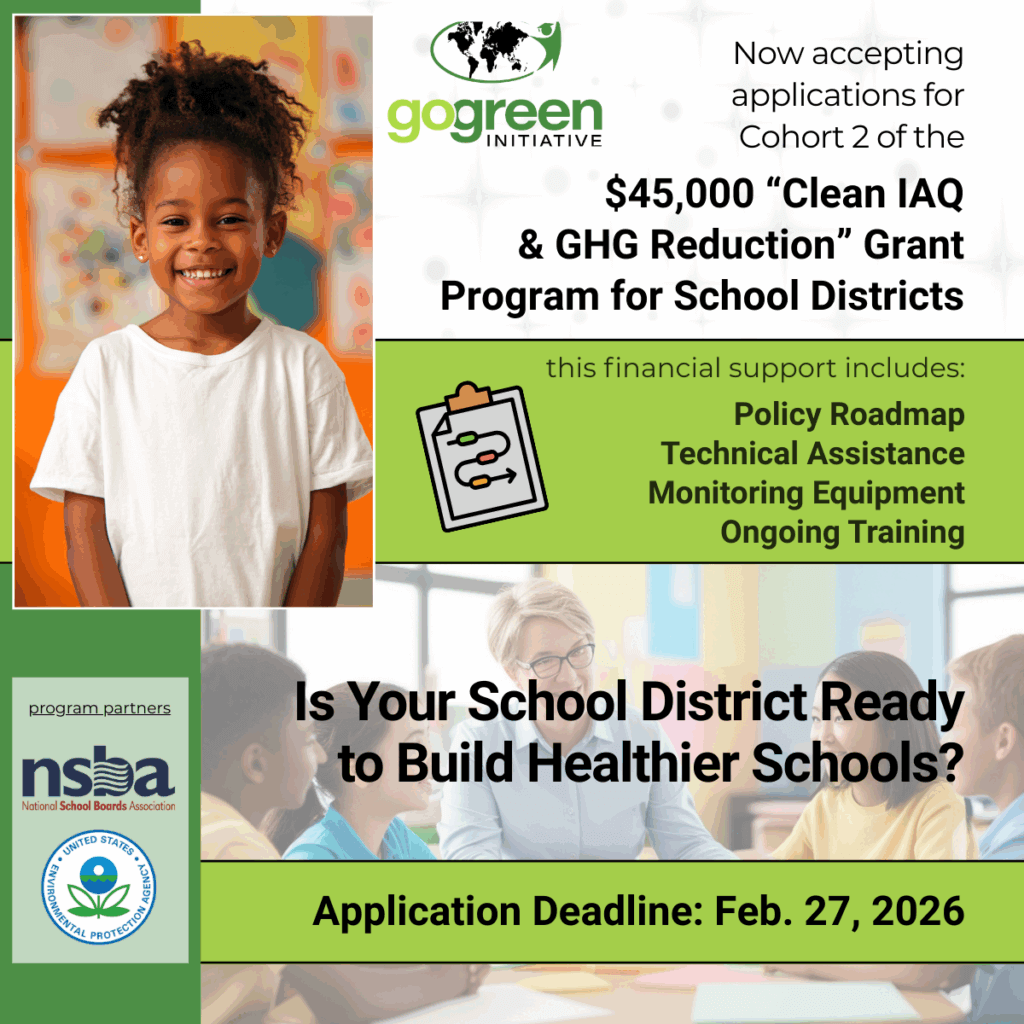
To help districts address these challenges in a practical, well-supported way, the Go Green Initiative (GGI) is now accepting applications for Cohort 2 of its Improving Indoor Air Quality (IAQ) and Reducing Greenhouse Gas Emissions (GHG) Program. Through this program, GGI is awarding $45,000 grants to selected school districts, in partnership with the National School Boards Association (NSBA) and with support from the EPA.
Applications are open through February 27, 2026, and districts from all 10 EPA regions are encouraged to apply – especially those serving economically disadvantaged communities, rural areas, and Tribal Nations.
Why Indoor Air Quality Matters for Students and Staff
The EPA emphasizes that asthma is one of the leading causes of school absenteeism, accounting for millions of missed school days each year. Many common asthma triggers — such as mold, dust mites, moisture, and poor ventilation — are directly related to indoor air quality and building conditions.
When IAQ issues go unaddressed, the impacts ripple across the school community. Students may miss instructional time or struggle to focus. Teachers and staff may experience discomfort, fatigue, or health-related disruptions that affect instruction and morale. Over time, these challenges can undermine academic outcomes and community confidence.
Healthier indoor environments, by contrast, support better attendance, improved comfort, and more consistent teaching and learning. For districts working to raise academic performance, improve staff retention, and responsibly manage facilities, improving IAQ is a high-impact strategy that supports both health and educational goals.
More Than Funding: A Program Designed for District Leadership
While the $45,000 grant is a significant and timely resource, Cohort 1 districts consistently shared that the program’s structure, guidance, and peer support were just as valuable.
Districts selected for Cohort 2 receive:
- $45,000 in grant funding to support IAQ improvement efforts
- IAQ monitoring equipment to better understand classroom efforts
- Customized technical assistance from national experts
- Access to a national database of IAQ policies developed with the NSBA
- A clear, step-by-step roadmap for assessments, policy development, and districtwide implementation
This approach reflects what the EPA highlights in its school IAQ guidance: sustainable improvement requires ongoing monitoring, defined roles, clear communication, and informed decision-making — not one-time fixes.
Rather than asking districts to build new systems from scratch, GGI’s program provides a tested framework that helps leadership teams move from intention to action — using data to guide decisions and communicate progress clearly to school boards and communities.
What Cohort 1 Districts Are Showing Is Possible
Cohort 1 districts across the country demonstrate how funding paired with structure can transform IAQ work from a compliance obligation into a leadership opportunity.
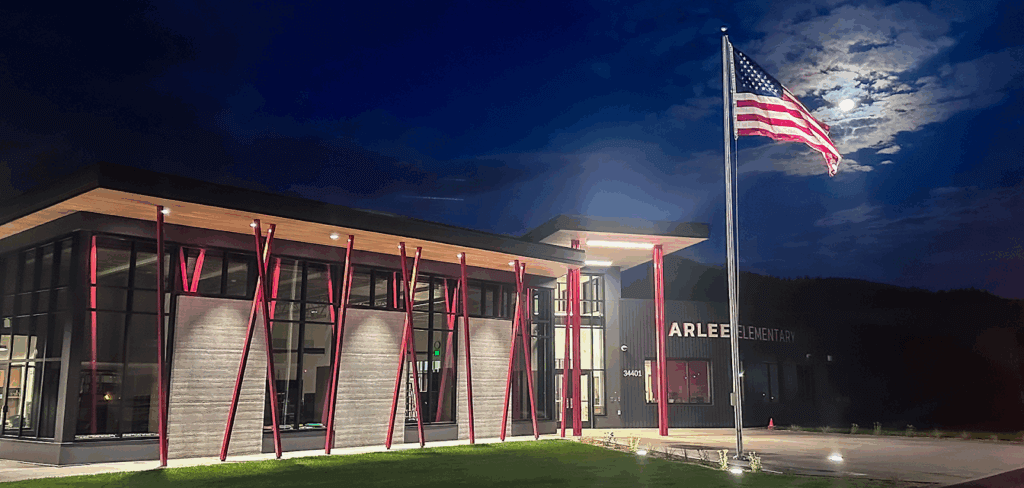
Arlee Joint School District:
Students as Partners in Healthy Schools
In rural western Montana, the Arlee Joint School District used the program to engage students directly in IAQ improvement. With GGI’s support, IAQ Coordinator and teacher Bonnie White integrated IAQ and energy data collection into an environmental science course. Students measured air quality, examined how ventilation affected their learning environment, and helped communicate findings across the school community.
“Arlee Joint School District is committed to proactively addressing indoor air quality. By engaging students, staff, and district leadership in monitoring, maintenance, and communication, we are building systems that support consistently healthy learning environments where students and staff can thrive.”
— Bonnie White, Arlee High School Math & Science Teacher
This hands-on approach aligns with the EPA’s emphasis on awareness and shared responsibility as key components of effective school IAQ programs.
East St. Louis School District 189: IAQ as a Tool for Equity and Renewal
For East St. Louis School District 189, improving indoor air quality is part of a broader effort to address equity and rebuild community confidence after years of underinvestment.
The district is channeling federal and state resources into HVAC modernization, air-quality monitoring, and building automation upgrades. Through participation in GGI’s program, staff are learning to use IAQ and energy data to guide maintenance decisions and inform long-term facilities planning.
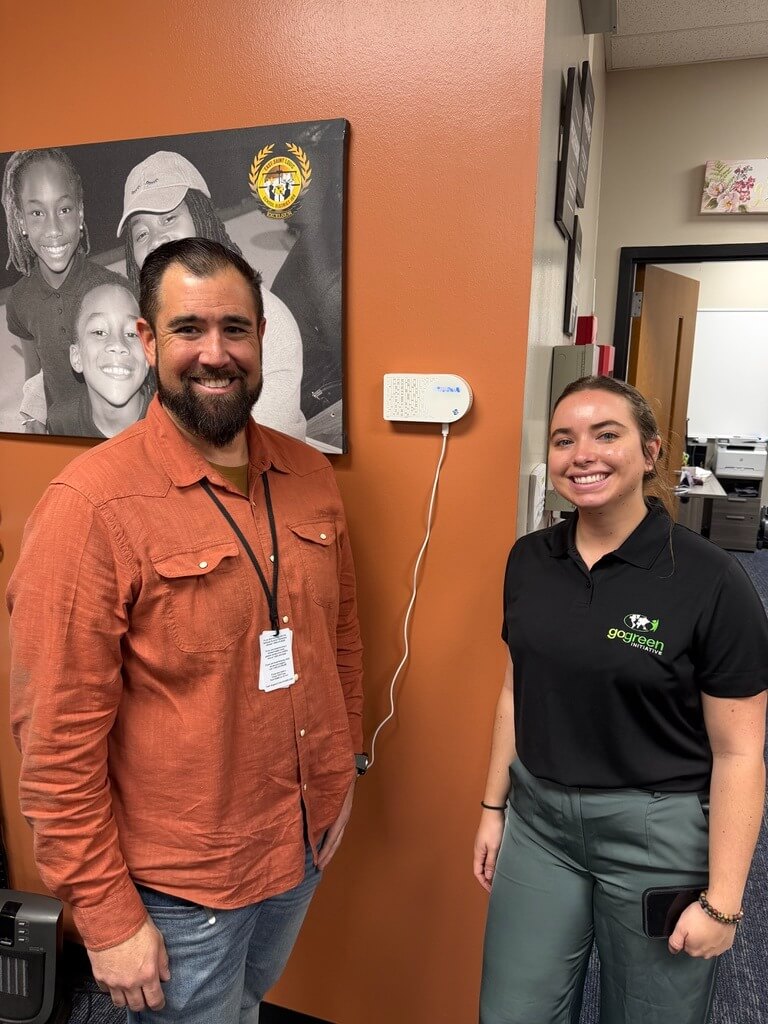
“At East St. Louis School District 189, we’re treating indoor air quality not just as a technical upgrade, but as a fundamental component of a healthy learning environment.”
— Joseph Haskell, Director of Maintenance, Operations and Risk Management
This experience reflects EPA guidance that targeted IAQ investments can improve comfort, support health, and strengthen operational decision-making when paired with data and planning.
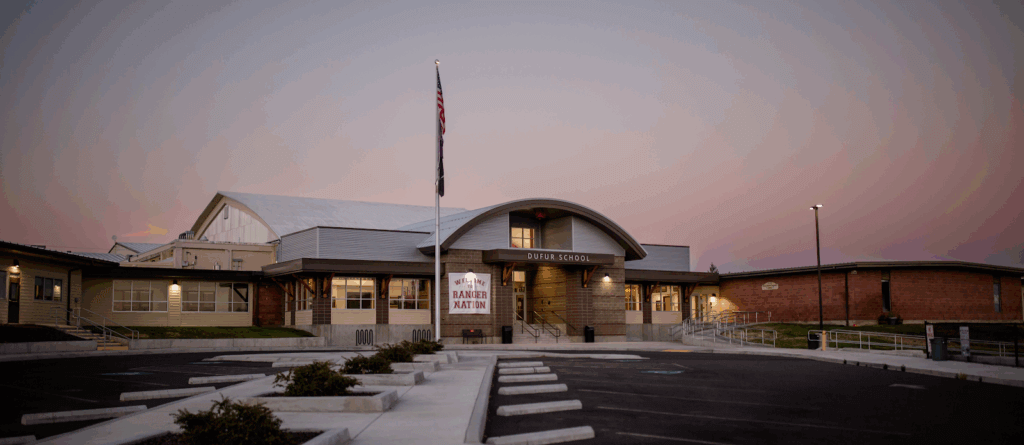
Dufur School District:
Turning Compliance Into Leadership
In Oregon, state law requires districts to conduct annual IAQ assessments — an important accountability measure that can be challenging for small systems.
Dufur School District, a single-campus K–12 district in Oregon serving about 300 students, used GGI’s program to turn compliance into a practical management tool. With program support, the district streamlined inspections and began tracking how ventilation and humidity affect classroom comfort and performance.
“This supportive program is giving our small district that often lacks in support and resources the structure and support to assess and improve the health of our learning environments in tangible ways.”
— Kristin Whitely, Principal, Dufur School District
Dufur’s experience underscores an important EPA principle: effective IAQ management integrates assessment, action, and communication into everyday operations rather than treating IAQ as a one-time task.
Why Districts Are Applying for Cohort 2
Across Cohort 1, districts consistently cited several benefits of participation:
- Clear structure that reduces staff burden
- Data-driven tools that support board and community transparency
- Capacity-building support that strengthens internal expertise
- Equity-focused funding that helps close resource gaps
- Sustainable systems that embed IAQ into long-term facilities planning
Cohort 2 builds directly on these successes, offering districts a program that is ready to implement on day one.
Who Should Apply?
GGI encourages applications from districts of all sizes and geographies, with strong encouragement for:
- Economically disadvantaged districts
- Rural districts
- Tribal Nations and schools serving Tribal communities
- Districts managing aging facilities or limited staffing
Whether a district is just beginning its IAQ journey or already investing in HVAC improvements, Cohort 2 provides funding and guidance to move forward strategically.
Apply Now: Invest in Healthier Air and Stronger Learning Environments
The EPA emphasizes that improving indoor air quality in schools is one of the most effective ways to support student health, reduce absenteeism, and create environments where learning can thrive . With $45,000 in grant funding, expert guidance, and proven tools available, Cohort 2 offers districts a meaningful opportunity to take action.
Applications are due February 27, 2026
Cohort 1 districts have shown that improving indoor air quality is not just about buildings — it’s about leadership, equity, and creating school environments where students and educators can succeed. Districts ready to take that next step are encouraged to apply and be part of Cohort 2.



Recent Posts