March 3, 2026 | In Air Quality, Energy, Resources, Videos
Where Healthy Air Meets Smart Energy: Inside the EPA’s IAQ Training Series
Learn how four professional training tracks empower K–12 leaders to protect student health, optimize facilities, and reduce greenhouse gas emissions — all at no cost.
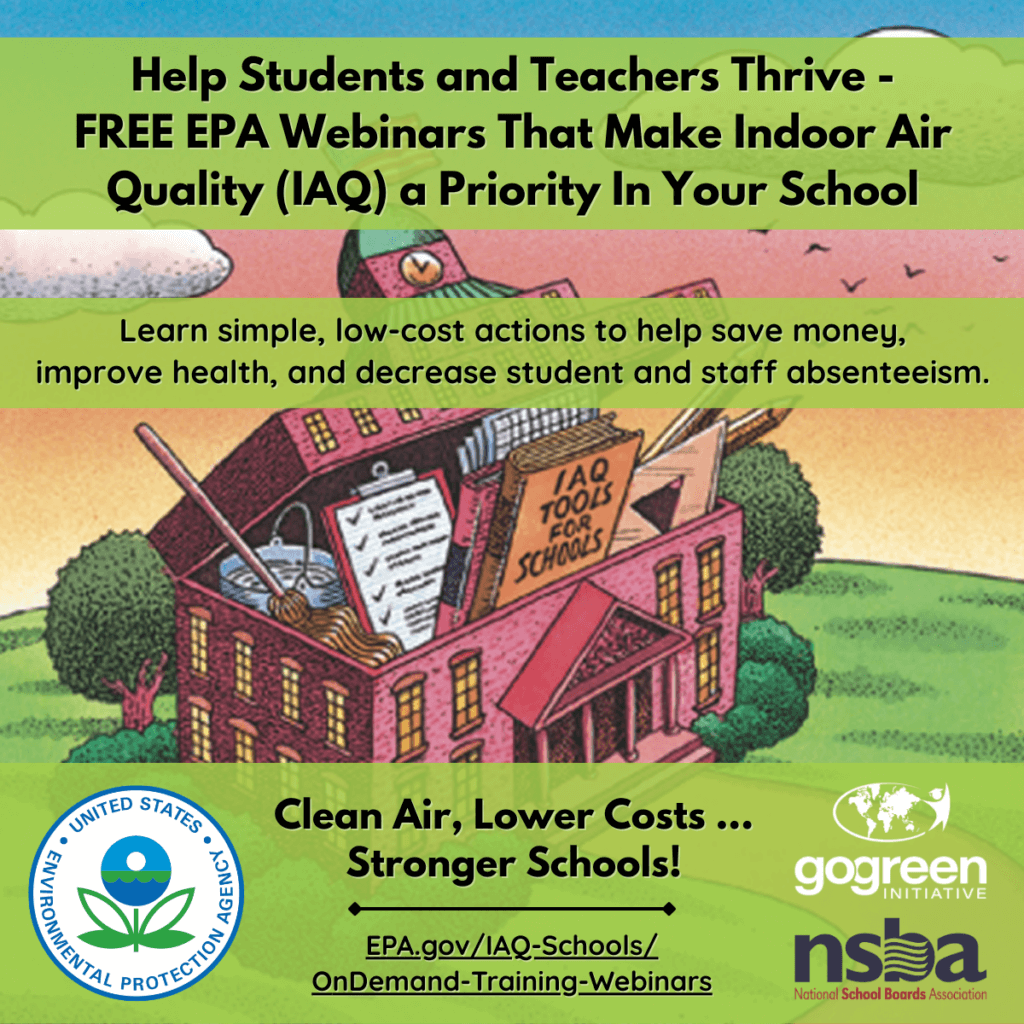
Healthy indoor air quality (IAQ) is essential to student achievement, staff wellness, and operational excellence in K–12 schools. The U.S. Environmental Protection Agency (EPA) has provided school districts with a clear, evidence-based roadmap through its Indoor Air Quality Tools for Schools program.
One of the most valuable components of this framework is the EPA’s On-Demand Training Webinar Series — a free, accessible library of professional development resources designed specifically for K–12 leaders, facility professionals, and school communities.
For the Go Green Initiative (GGI), these resources are not simply recommended learning tools — they are foundational. GGI’s “Improving IAQ and Reducing GHG” program is built directly upon EPA guidance, including Tools for Schools and ENERGY STAR® best practices, translating federal science into actionable district-level implementation.
The EPA webinar series is organized into four distinct training tracks, each serving a different audience and stage of IAQ management maturity.
Why IAQ Training Matters in K–12 Schools
Across the country, school districts face persistent indoor air quality challenges, including:
- Aging HVAC systems that lack adequate outdoor air intake
- Deferred maintenance and inconsistent preventive service schedules
- Mold and moisture caused by roof leaks or humidity imbalance
- Elevated CO₂ levels in high-occupancy classrooms
- Chemical exposure from cleaning agents and classroom supplies
- Pest management concerns
- Wildfire smoke infiltration and outdoor air pollution
- Energy retrofit projects that unintentionally compromise ventilation
These issues affect far more than comfort. Poor IAQ contributes to asthma exacerbation, respiratory irritation, headaches, fatigue, and increased absenteeism. For district leaders, IAQ is a health issue, an equity issue, a facilities issue, and a financial issue.
The EPA’s on-demand training series addresses these realities through structured, scalable management strategies.
1️⃣ Healthy Indoor Environments in Schools
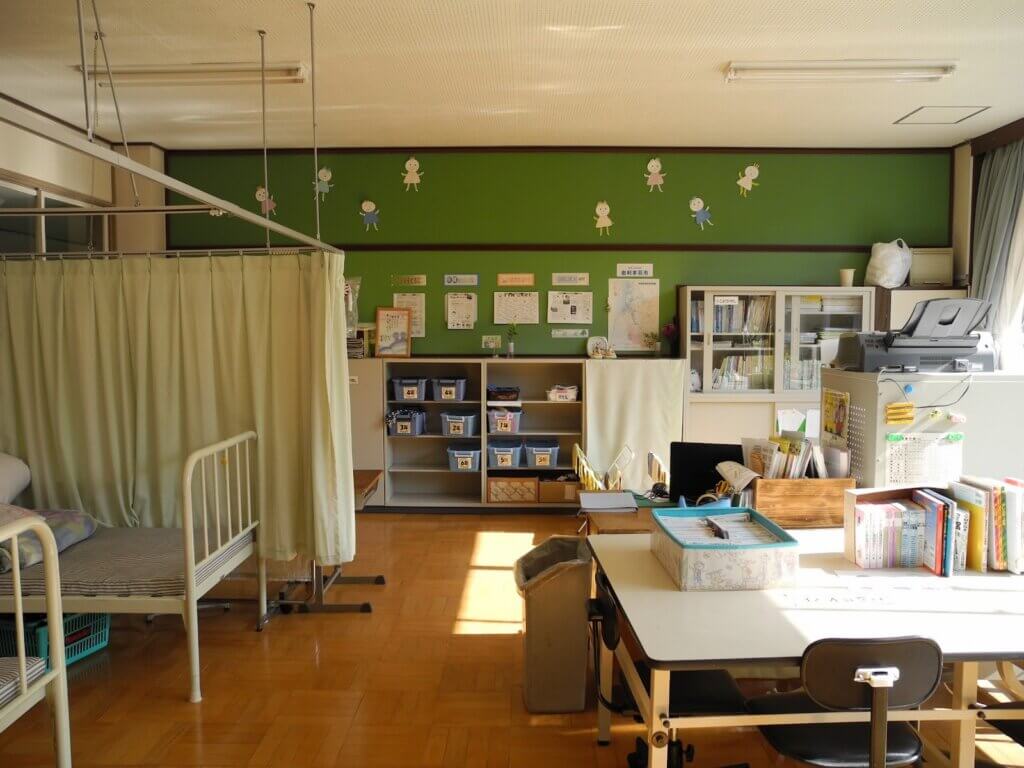
This training track provides foundational IAQ education for a broad audience — teachers, custodians, school nurses, administrators, and community stakeholders.
What it covers:
- IAQ basics and health impacts
- Asthma triggers in school environments
- Moisture and mold prevention
- Safe cleaning practices
- Recognizing early warning signs of IAQ problems
This track builds awareness at the classroom level. For example, teachers learn how blocked vents or personal space heaters can disrupt airflow. Nurses gain tools to recognize patterns in respiratory complaints that may signal environmental causes.
Healthy IAQ culture begins with shared understanding.
2️⃣ Knowledge-to-Action Professional Training
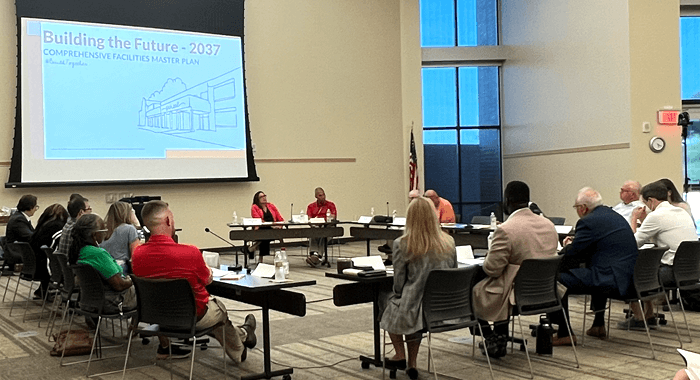
Knowledge-to-Action bridges the gap between awareness and implementation.
What distinguishes it:
- Step-by-step IAQ program implementation
- Cross-department coordination strategies
- Measurable performance tracking
- Practical management tools
IAQ responsibility in many districts is fragmented across facilities, custodial services, health services, and administration. This training helps unify those functions under a cohesive IAQ management plan.
For example, if elevated CO₂ levels are detected in portable classrooms, districts are guided to assess ventilation capacity, occupancy patterns, and maintenance records — rather than relying on temporary fixes.
The emphasis is clear: structured systems outperform reactive responses.
3️⃣ Master Class Professional Training
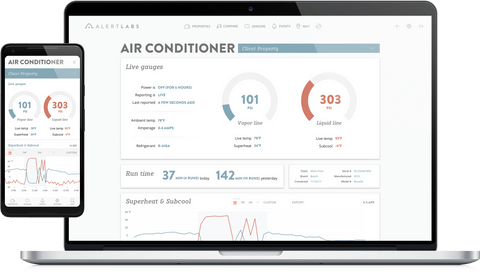
The Master Class track is designed for experienced facilities leaders and environmental health professionals.
Focus areas:
- Advanced ventilation strategies
- HVAC optimization
- Preventive maintenance integration
- District-wide IAQ management systems
- Leadership and accountability frameworks
Rather than focusing on isolated problems, Master Class sessions emphasize long-term systems thinking. Participants learn how to integrate IAQ into capital improvement planning, policy development, and district governance structures.
For districts seeking resilience and regulatory readiness, this is a high-value resource.
4️⃣ Energy Savings Plus Health
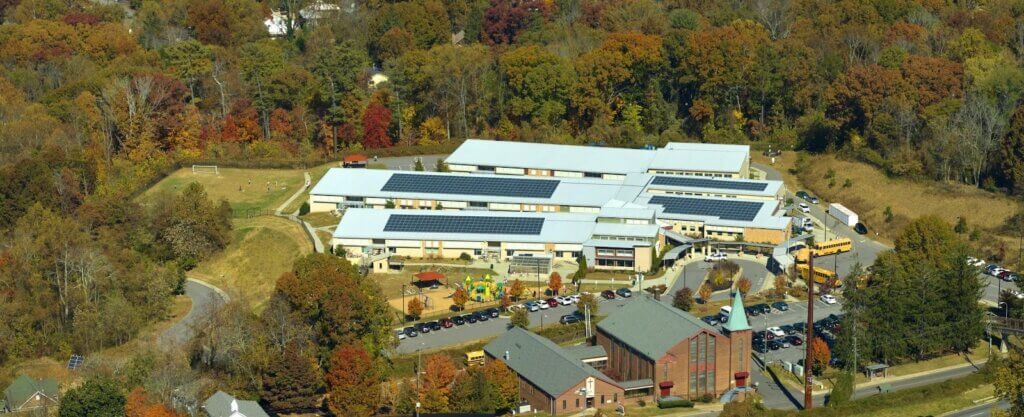
The fourth track — Energy Savings Plus Health — addresses a critical and often overlooked issue: ensuring that energy efficiency upgrades do not compromise indoor air quality.
Why this track matters: As districts modernize facilities with new lighting, insulation, windows, or HVAC systems, ventilation performance can unintentionally decline if IAQ is not prioritized alongside energy goals.
This training provides:
- Guidance on protecting IAQ during retrofit projects
- Strategies for maintaining adequate ventilation rates
- Filtration best practices
- Integration with ENERGY STAR® benchmarking
- Decision-making frameworks for capital projects
The key message: Energy efficiency and healthy air must work together.
When done properly, districts can reduce greenhouse gas (GHG) emissions while strengthening ventilation performance — creating cost savings and healthier learning environments simultaneously.
Real-World Issues Addressed in the Webinars
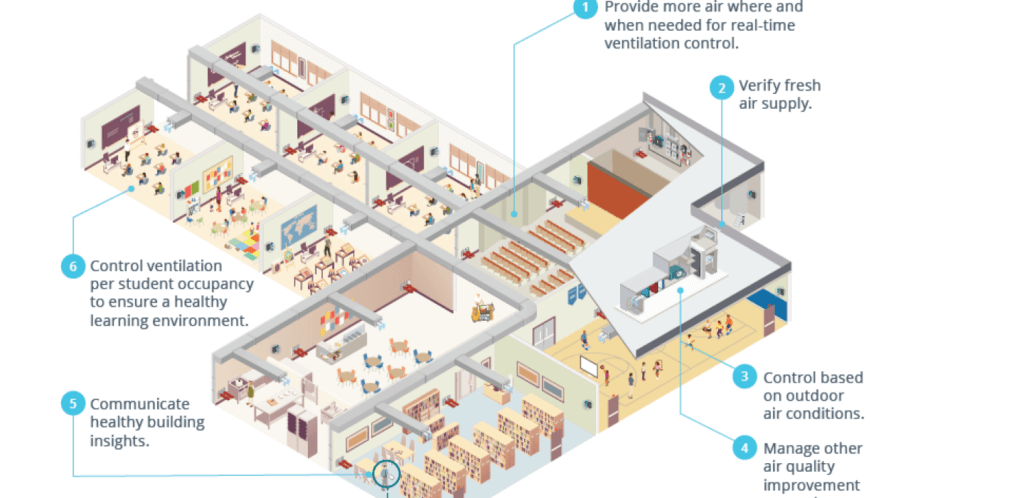
Across all four tracks, districts gain actionable insight into:
- Mold & Moisture Control: Identifying root causes and preventing recurrence.
- Ventilation & Filtration: Understanding air changes per hour, MERV ratings, and system balancing.
- Asthma Management: Reducing triggers through sanitation and maintenance improvements.
- Integrated Pest Management: Using structural and sanitation strategies to reduce chemical use.
- Wildfire Smoke Preparedness: Protecting indoor spaces during outdoor air quality events.
- Retrofit Risk Mitigation: Ensuring modernization projects enhance — rather than harm — indoor environments.
How EPA Guidance Forms the Foundation of GGI’s IAQ & GHG Program
The Go Green Initiative’s Improving IAQ and Reducing GHG program is directly aligned with the EPA’s Tools for Schools framework and Energy Savings Plus Health guidance.
GGI incorporates:
- District-wide IAQ management plans
- ENERGY STAR® Portfolio Manager benchmarking
- Preventive maintenance systems
- Board-level IAQ/GHG policy adoption
- Baseline assessments and performance tracking
Rather than reinventing federal guidance, GGI operationalizes it — providing cohort-based support, policy templates, technical assistance, and measurable accountability.
The EPA provides the science and structure.
GGI provides implementation support and funding pathways.
A Strategic Resource for School Leaders
For superintendents, school board members, and facilities executives, the EPA’s on-demand webinar series offers:
- Risk reduction and liability mitigation
- Improved attendance through healthier environments
- Energy optimization aligned with IAQ
- Better-informed capital planning
- Increased community trust
Most importantly, these trainings are free and accessible — removing barriers to high-quality IAQ education.
Final Reflection
The EPA’s four-tiered webinar structure reflects the reality that IAQ improvement is not a single project, but a continuous management discipline:
- Healthy Indoor Environments in Schools builds awareness.
- Knowledge-to-Action drives implementation.
- Master Class Professional Training strengthens systems.Energy Savings Plus Health ensures modernization supports both efficiency and occupant health.
Together, they create a roadmap for healthier, more resilient schools.
For districts committed to protecting student health while reducing greenhouse gas emissions, these webinars provide a powerful starting point — and for organizations like the Go Green Initiative, they serve as the federal blueprint guiding scalable, sustainable implementation.
Healthy air supports healthy students.
Healthy students strengthen communities.
And strong communities begin inside our schools.