July 17, 2026 | In Air Quality, Climate Change, Energy, Health, Resources, Sustainability
Back-to-School IAQ Readiness
Five Steps Every School District Should Take Before Students Return

Summer is a critical planning window for schools. Classrooms may be empty, but facilities teams, administrators, custodial staff, and operations leaders are already preparing buildings for the return of students and staff.
That makes this the right time to focus on indoor air quality.
Once the school year begins, indoor air quality concerns can quickly become disruptive. A musty odor in a classroom, blocked air vents, moisture damage, poor ventilation, or improperly stored cleaning products can affect comfort, health, attendance, and learning conditions. Addressing those issues after students return is often more difficult, expensive, and disruptive than addressing them during the summer.

The stakes are significant. Nearly 1 in 13 school-age children has asthma, making it the leading cause of school absenteeism due to chronic illness, and indoor exposure to allergens like dust mites, pests, and mold plays a documented role in triggering symptoms. Nationally, asthma alone accounts for an estimated 14 million missed school days each year. On the other side of the ledger, schools without a major maintenance backlog see 4 to 5 more students per 1,000 in average daily attendance, and 10 to 13 fewer dropouts per 1,000, than schools that are behind on repairs.
The U.S. Environmental Protection Agency’s Indoor Air Quality Tools for Schools program offers practical resources to help districts identify, correct, and prevent indoor air quality concerns using straightforward, low- or no-cost actions that in-house staff can often complete. The program includes guidance documents, checklists, fact sheets, sample policies, and on-demand webinars that school districts can use to support healthier learning environments.
As schools prepare for a new academic year, here are five back-to-school IAQ readiness steps every district should consider.

1. Conduct an IAQ walkthrough
A walkthrough is one of the simplest and most effective ways to identify potential indoor air quality concerns before buildings are fully occupied.
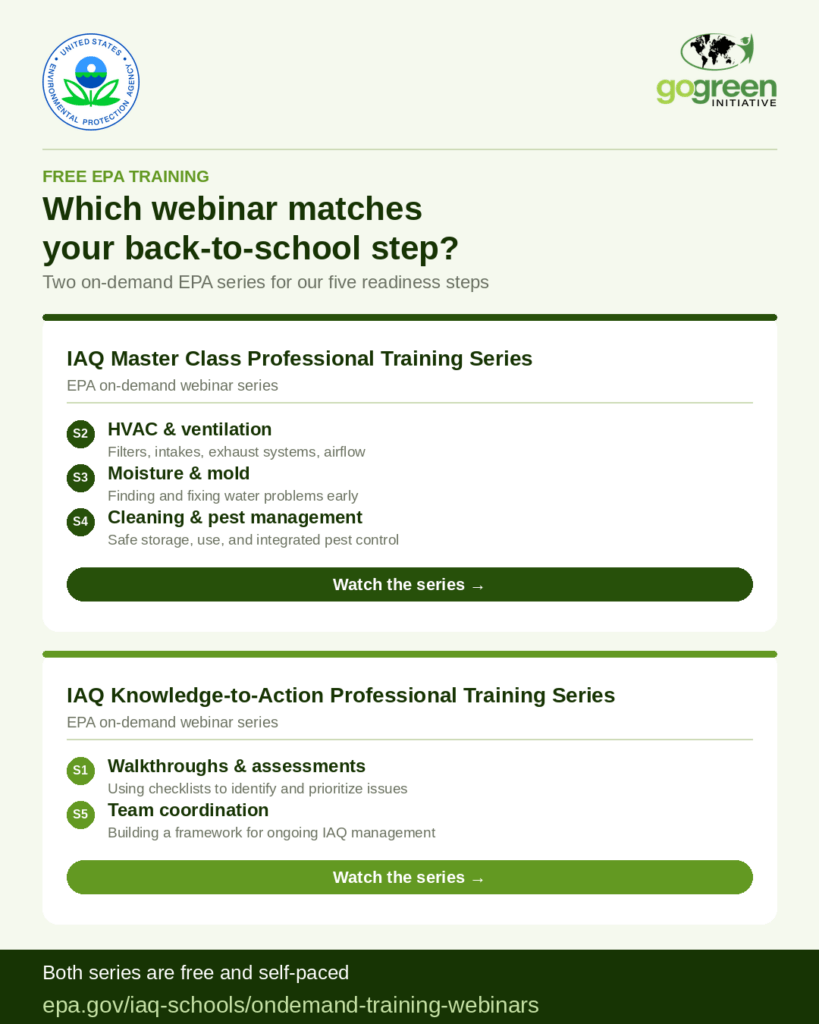
EPA’s Tools for Schools resources include walkthrough and inspection tools that help school teams assess building conditions from top to bottom. IAQ team members, administrators, facilities staff, and others responsible for maintaining healthy school environments can all use these walkthroughs. For step-by-step training on using these assessment checklists, EPA’s IAQ Knowledge-to-Action Professional Training Webinar Series walks through how to conduct and prioritize a walkthrough assessment.
A back-to-school IAQ walkthrough should include classrooms, offices, restrooms, cafeterias, gyms, storage areas, mechanical rooms, hallways, and any spaces that were closed or lightly used during summer. During the walkthrough, staff should look for:
- Musty odors
- Water stains, visible mold, or mildew
- Dust buildup
- Blocked air vents
- Improperly stored chemicals
- Pest activity
- Standing water, leaks, or condensation
The goal is not to solve every issue immediately. The goal is to identify concerns early, document them clearly, and prioritize follow-up before students and staff return.
This is also a useful time to confirm classrooms are ready for occupancy. Furniture, storage, classroom materials, and decorations should not block vents or interfere with airflow. Staff should be reminded to report odors, moisture, pest activity, or ventilation concerns promptly once school begins.
2. Check HVAC and ventilation systems
Ventilation is one of the most important parts of a healthy indoor environment. Properly designed and maintained HVAC systems help control temperature and humidity, distribute outdoor air, remove or dilute pollutants, and support comfort, health, and well-being in schools.
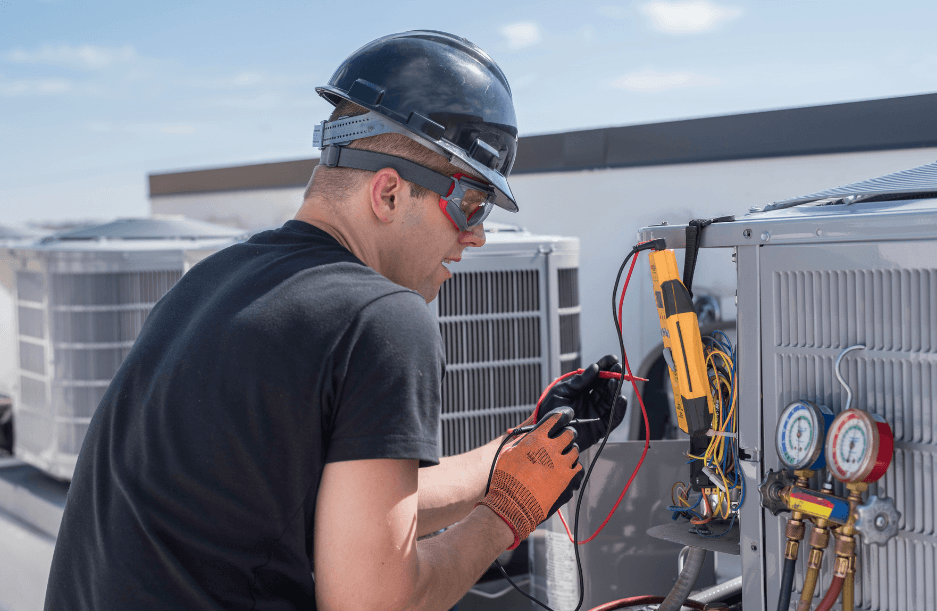
This is also where facility age and funding gaps show up most directly. A national GAO survey found that 41 percent of school districts need to update or replace HVAC systems in at least half of their schools, representing roughly 36,000 school buildings nationwide. That burden isn’t distributed evenly: a 2014 analysis by the National Center for Education Statistics found that schools serving the highest percentages of low-income students also had the highest percentages of ventilation and filtration systems rated “fair” or “poor”.
Because school facilities funding relies heavily on local property taxes, high-poverty districts more often depend on state dollars, which are typically far less predictable. The pattern holds for Tribal schools as well. Bureau of Indian Education facilities carry more than $1 billion in overdue repairs, much of it tied to aging HVAC and building systems. For districts serving these communities, summer inspection and preventive maintenance are not just good practice. They’re often the only cost-effective option available before a larger system failure forces an expensive emergency fix.
Before students return, districts should use the summer window to inspect and service HVAC systems: replacing filters, checking outdoor air intakes, inspecting exhaust systems, reviewing preventive maintenance schedules, and confirming that classrooms and common areas are receiving appropriate ventilation.
EPA’s Tools for Schools preventive maintenance guidance includes customizable checklists that districts can use to support IAQ-related maintenance planning, covering building systems, equipment upkeep, mold and moisture prevention, and pollutant source control. For a deeper technical grounding in HVAC systems specifically, EPA’s IAQ Master Class Professional Training Webinar Series includes a dedicated session on this topic.
A back-to-school ventilation check should confirm:
- Filters have been replaced according to the appropriate schedule
- Air supply and return vents are open, clean, and unobstructed
- Outdoor air intakes are clear of debris or pollutant sources
- Exhaust fans are working properly
- HVAC systems are scheduled to operate before, during, and after occupancy as needed
- Maintenance issues are documented and assigned for follow-up
Ventilation is not just a mechanical issue. It’s an operational one. Schools need systems, schedules, trained staff, and communication protocols to ensure ventilation practices support healthy indoor environments throughout the year, not just at the start of it.
3. Address moisture and mold risks
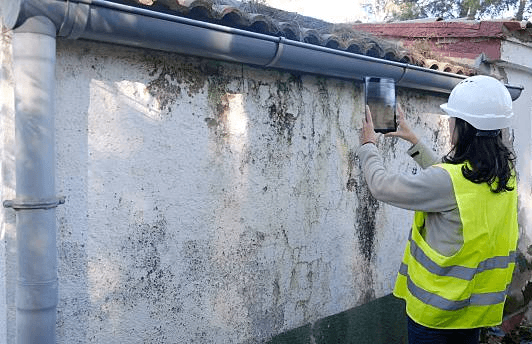
Moisture is one of the most important IAQ issues to address before students return. Water intrusion, high humidity, leaks, condensation, and damp materials can create conditions that support mold growth and other indoor environmental concerns.
EPA emphasizes that mold growth in schools is usually tied to excess moisture, and recommends inspecting buildings for mold, moisture, leaks, spills, water stains, discoloration, standing water, and moldy odors. Wet or moist materials should be dried quickly to help prevent mold growth.
Summer is a practical time to look closely for moisture issues, since some spaces may have been unoccupied for weeks. A small leak or humidity problem that goes unnoticed during summer can become a much larger issue once classrooms are full.
Districts should review areas that are especially vulnerable to moisture problems, including:
- Roofs, ceilings, windows, and exterior walls
- Restrooms, locker rooms, and kitchens
- HVAC condensate pans and drain lines
- Basements, crawl spaces, and utility areas
- Spaces around sinks, drinking fountains, and plumbing fixtures
Any moisture concern should be documented and addressed promptly. Fixing the source of the moisture is essential. Cleaning visible mold without solving the underlying water problem is unlikely to prevent the issue from returning, and can also damage building materials, furnishings, floors, walls, and ceilings over time. EPA’s IAQ Master Class Professional Training Webinar Series includes a session focused specifically on moisture and mold for districts who want to go deeper on this topic.
4. Review cleaning, chemical storage, and pest management practices
Back-to-school preparation often includes deep cleaning, floor care, classroom setup, and restocking supplies. These activities can improve school readiness, but they can also affect indoor air quality if products are misused, overused, or stored improperly.
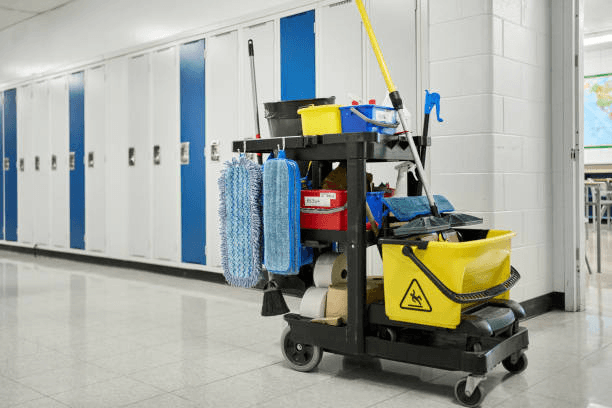
Cleaning products, disinfectants, pesticides, paints, adhesives, art supplies, and other materials should be reviewed with IAQ in mind. Schools should confirm that chemicals are labeled, properly stored, and used according to directions. Custodial areas should be organized, ventilated, and secure, and products that are no longer needed should be disposed of appropriately.
This is also a good time to review pest management practices. Pest problems can contribute to allergens and other indoor environmental concerns, while improper pesticide use can introduce additional pollutants into school buildings. EPA’s Tools for Schools approach encourages districts to identify, correct, and prevent these environmental health risks through practical strategies and coordinated action. EPA’s IAQ Master Class Professional Training Webinar Series includes sessions on both integrated pest management and cleaning and maintenance practices for districts who want more detail.
Districts should ask:
- Are cleaning products stored safely and away from classrooms?
- Are staff trained on proper product use?
- Are ventilation needs considered during cleaning or floor care?
- Are pesticides used only when needed and according to label directions?
- Are food storage areas clean and pest-resistant?
- Are trash and recycling areas maintained properly?
The goal isn’t simply to clean buildings before school starts. It’s to prepare them in a way that supports healthier indoor air throughout the year.

5. Bring the IAQ team together before the first day of school
Indoor air quality is not the responsibility of one person. It requires coordination among facilities staff, custodians, administrators, teachers, school nurses, business officials, and district leaders.
EPA’s Tools for Schools program emphasizes a comprehensive approach to IAQ management and provides resources that help districts start, improve, or sustain their IAQ efforts. Districts building or refining this kind of team structure can also draw on EPA’s IAQ Knowledge-to-Action Professional Training Webinar Series, which covers how to implement an organizational framework for comprehensive IAQ management.
Before school begins, districts should bring the right people together to review building conditions, assign responsibilities, and clarify communication procedures. This doesn’t need to be complicated. A short meeting with the right staff can help prevent confusion once the school year begins.
A back-to-school IAQ team conversation should cover what was found during summer walkthroughs, which issues have been resolved, which items still need follow-up, who is responsible for each remaining action, and how staff should report IAQ concerns during the school year.
Clear communication is essential. Teachers and school staff are often the first to notice odors, leaks, blocked vents, or comfort problems. They need to know what to report, how to report it, and who will respond.
EPA Tools for Schools: A practical starting point
The back-to-school season is busy, but it also offers a valuable opportunity. Before classrooms are full, districts can identify risks, correct preventable problems, and put healthier building practices in place.

EPA’s Indoor Air Quality Tools for Schools program gives districts a practical starting point, including the Action Kit, checklists, preventive maintenance guidance, problem-solving tools, and on-demand webinars for building healthier indoor environments.
For districts preparing for the new school year, the question isn’t whether indoor air quality matters. It’s whether the district has taken the time to identify and address the most important building readiness issues before students and staff return, especially in schools where funding gaps have made deferred maintenance the norm rather than the exception.
How GGI supports implementation
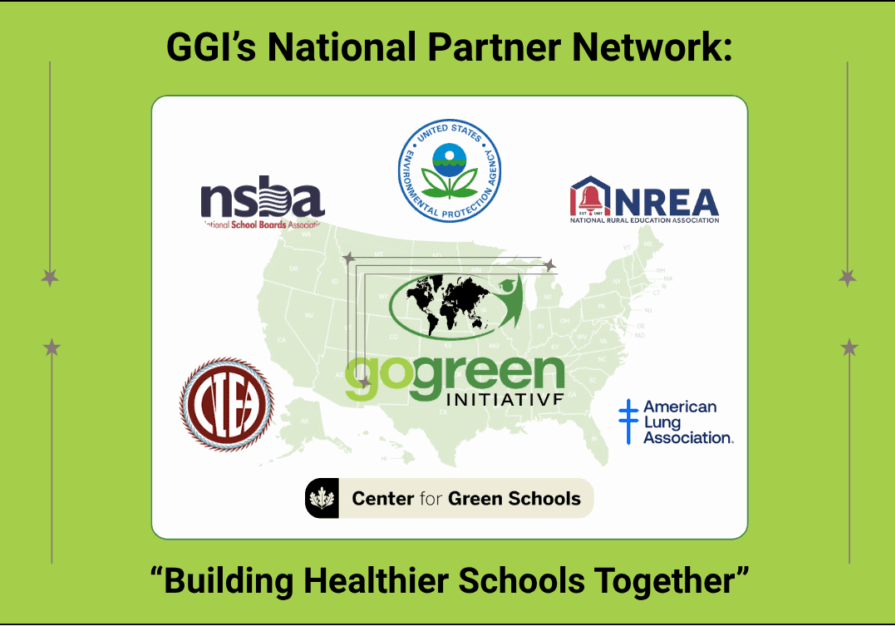
Go Green Initiative’s indoor air quality resources and training are built using EPA standards and information. GGI helps school districts understand EPA guidance and put best practices into action through practical training, tools, and support, including our free IAQ Management Plan course library at GoGreenInitiative.org/IAQ.
GGI welcomes IAQ Management Plan submissions at any stage of completion. Whether your district is starting from scratch this summer or refining a plan that’s already in place, our team will provide editorial feedback to help you strengthen it.
If your district wants to hear directly from EPA panelists and fellow district leaders on what readiness looks like in practice, join us for our upcoming webinar on July 14, where we’ll also share how districts can put their IAQ and sustainability work toward the 2027 NSBA Magna Awards.
Back-to-school preparation should include more than supplies, schedules, and classroom setup. It should include the air students and staff will breathe every day.