October 30, 2026 | In Air Quality, Climate Change, Energy, Health, Resources, Sustainability
Meet Cohort 2
470,000 Students, 11 Districts, One Goal

Upgrading a school building, whether that means new HVAC equipment, a renovation or an energy-efficiency project, is a big step toward cleaner air and lower emissions. Keeping those gains working takes a plan.
That is the work facing the 11 districts of Cohort 2, which together serve roughly 470,000 students in about 820 schools. About 62 percent of those students come from low-income families, and the districts span 11 states, from a 150-student school on the Cheyenne River Reservation to Miami-Dade’s 333,000 students.
Cohort 2 is part of the EPA-funded indoor air quality (IAQ) and greenhouse gas (GHG) reduction program from the National School Boards Association (NSBA) and the Go Green Initiative (GGI). Implementation began August 1, 2026, and each district receives $45,000 and technical assistance to adopt board policy, assess its buildings and build a plan it can follow for years. In the words of GGI Founder and CEO Jill Buck, the goal is to make sure “every child, regardless of their zip code, has a healthy place to learn.”
That goal starts with a simple fact: students spend up to 90 percent of their time indoors, and the EPA reports that indoor air can be two to five times more polluted than outdoor air. If you read our January preview of Cohort 2, you know why this matters.
Below, meet each district through its starting point, and see what a plan could change for its students.
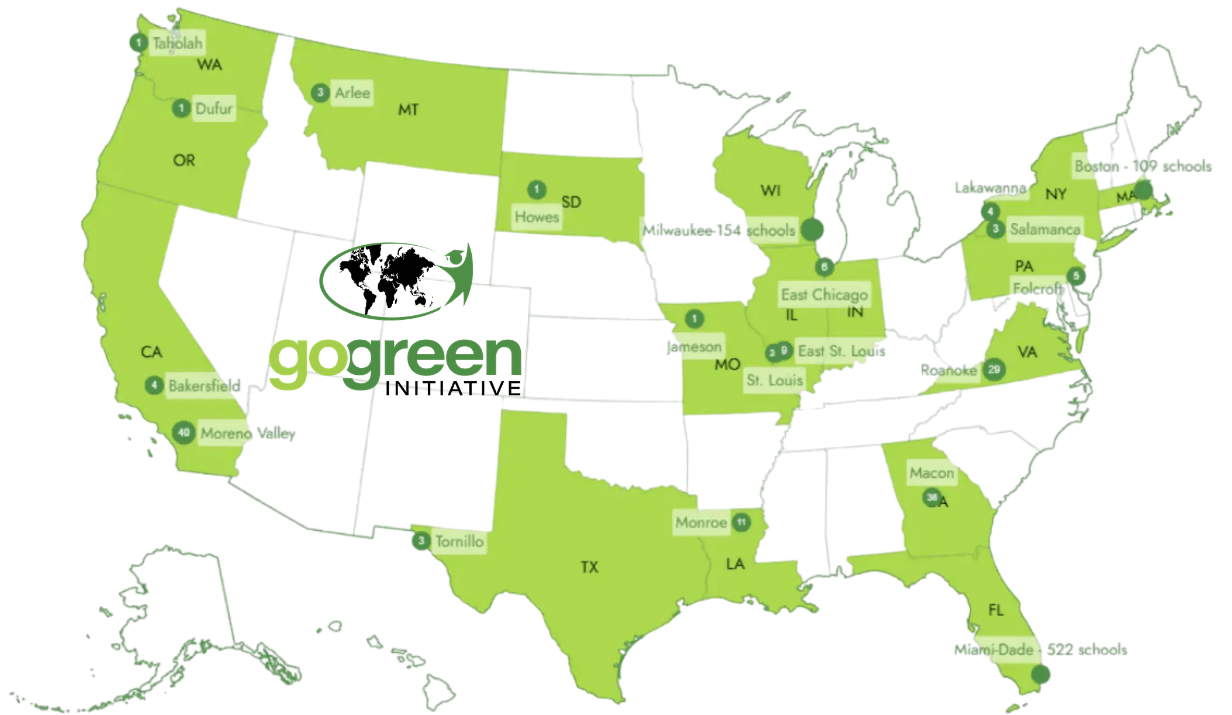
Cohort 2 at a glance
Cohort 2 includes four urban, five suburban and two rural districts across nine of the ten EPA regions, ranging from about 150 students to more than 300,000.
| District | Location | EPA Region | Schools | Approx. students | Low-income (approx.) | Locale |
| Miami-Dade County Public Schools | Miami, FL | 4 | 530 | 333,000 | 53% | Urban |
| Milwaukee Public Schools | Milwaukee, WI | 5 | 154 | 65,600 | 81% | Urban |
| Roanoke City Public Schools | Roanoke, VA | 3 | 26 | 13,800 | 97% | Urban |
| Monroe City Schools | Monroe, LA | 6 | 24 | 8,000 | 81% | Urban |
| Moreno Valley Unified School District | Moreno Valley, CA | 9 | 40 | 30,400 | 86% | Suburban |
| Ferguson-Florissant School District | St. Louis County, MO | 7 | 23 | 8,800 | 90% | Suburban |
| Southeast Delco School District | Folcroft, PA | 3 | 6 | 3,900 | 97% | Suburban |
| School City of East Chicago | East Chicago, IN | 5 | 7 | 3,200 | 68% | Suburban |
| Lackawanna City School District | Lackawanna, NY | 2 | 4 | 2,200 | 79% | Suburban |
| Takini School | Howes, SD | 8 | 1 | 150 | 98% | Rural |
| Taholah School District #77 | Taholah, WA | 10 | 2 | 190 | 81% | Rural |
| Cohort 2 | ~820 | ~470,000 | ~62% |
(Locale labels follow NCES locale classifications. School and enrollment figures are approximate, rounded from 2024-25 data (NCES and GGI district research). Low-income is the share of students eligible for free or reduced-price lunch where districts report it (Monroe, Moreno Valley, Lackawanna, Takini), economically disadvantaged students for Milwaukee, and free lunch eligibility (NCES) for the rest, so it may understate eligibility there. EPA regions are assigned by state.)
Four starting points, eleven communities
No two districts begin in the same place. Some are in the middle of major renovations, some already lead on sustainability, some are working with older buildings and lean budgets, and one is building a brand-new school. Each entry lists the district’s locale (urban, suburban or rural) and EPA region, then what makes its starting point distinct.
Upgrades underway: Making sure new equipment delivers

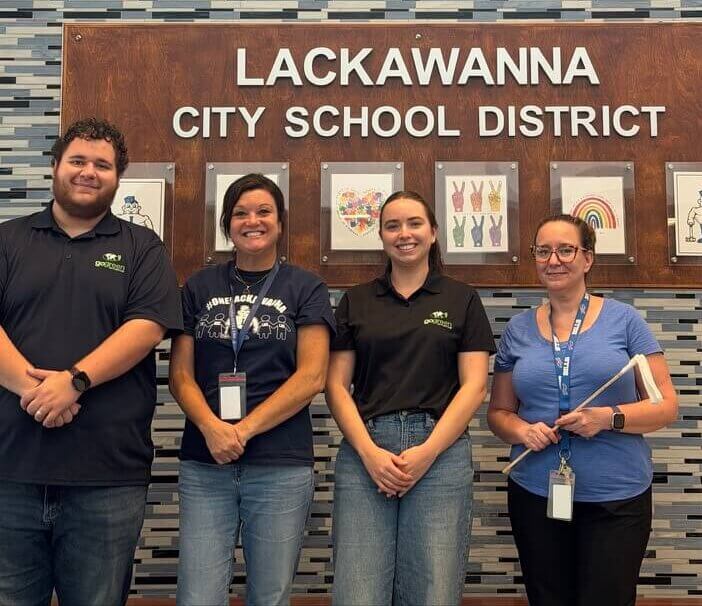
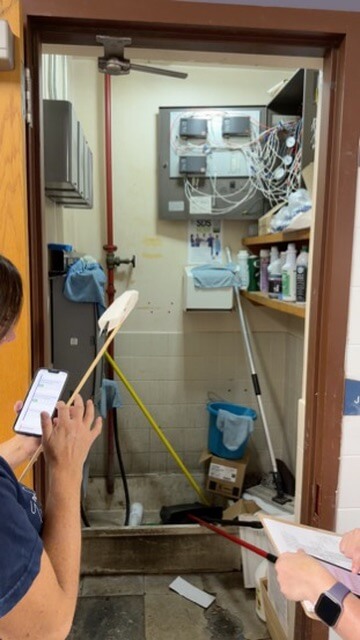
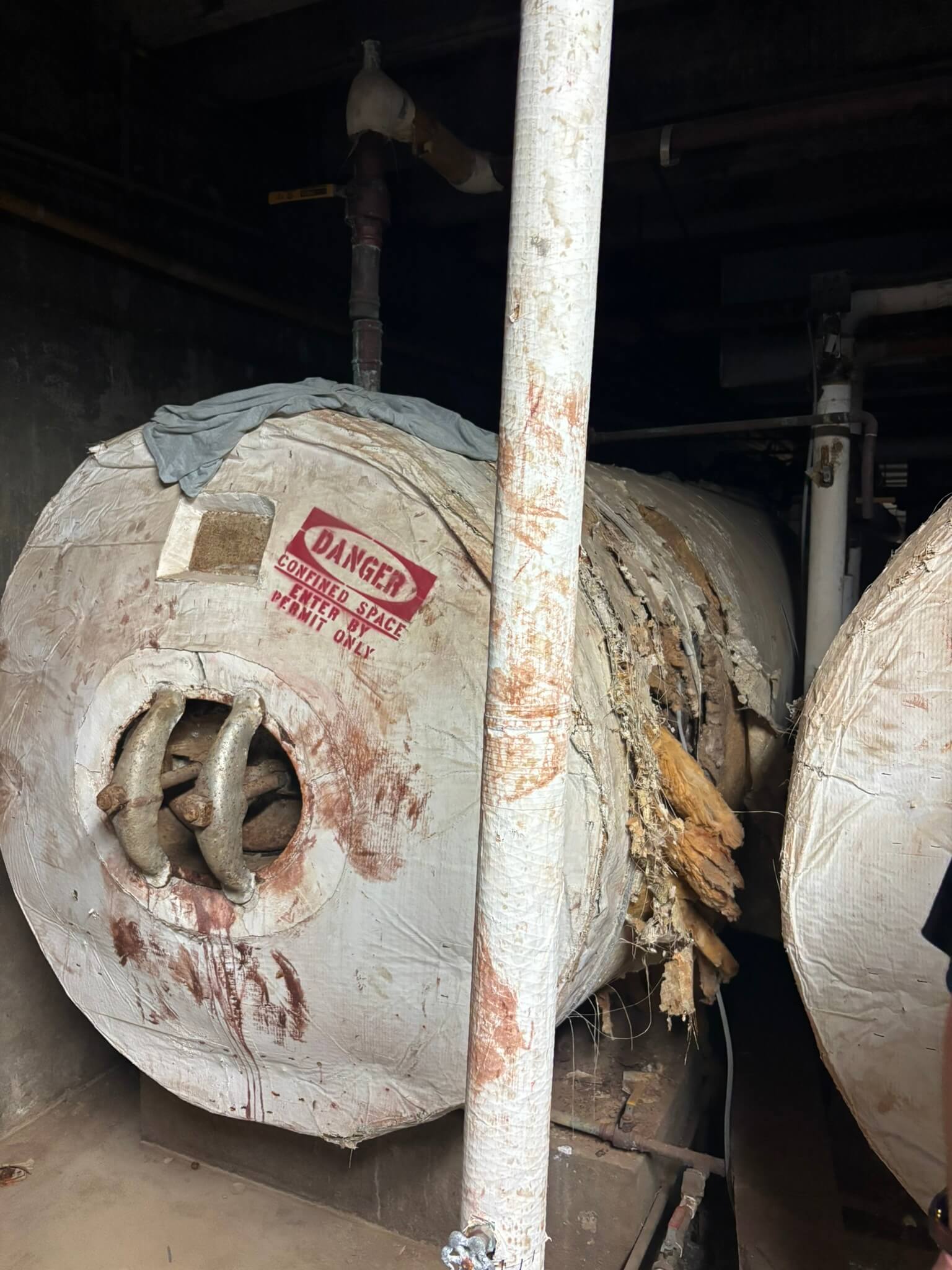
Lackawanna City School District (Lackawanna, NY)
Suburban I EPA Region 2. This Lake Erie district just south of Buffalo serves about 2,200 students in four schools, and about 79 percent qualify for free or reduced-price lunch. An $81.2 million capital project is replacing ventilation, air handling and controls at every school. During construction, the district also shared air-testing results and corrective actions after asbestos abatement.
School City of East Chicago (East Chicago, IN)
Suburban | EPA Region 5. This single-city district on southern Lake Michigan serves about 3,200 students in seven schools, and about 68 percent qualify for free lunch. HVAC and controls upgrades are underway, the district posts air quality reports online, and its facilities page calls healthy indoor air “paramount” to student success. With industrial emissions, truck and rail traffic and the USS Lead Superfund site in the community, a baseline assessment and management plan can help separate outdoor from indoor sources.

Southeast Delco School District (Folcroft, PA)
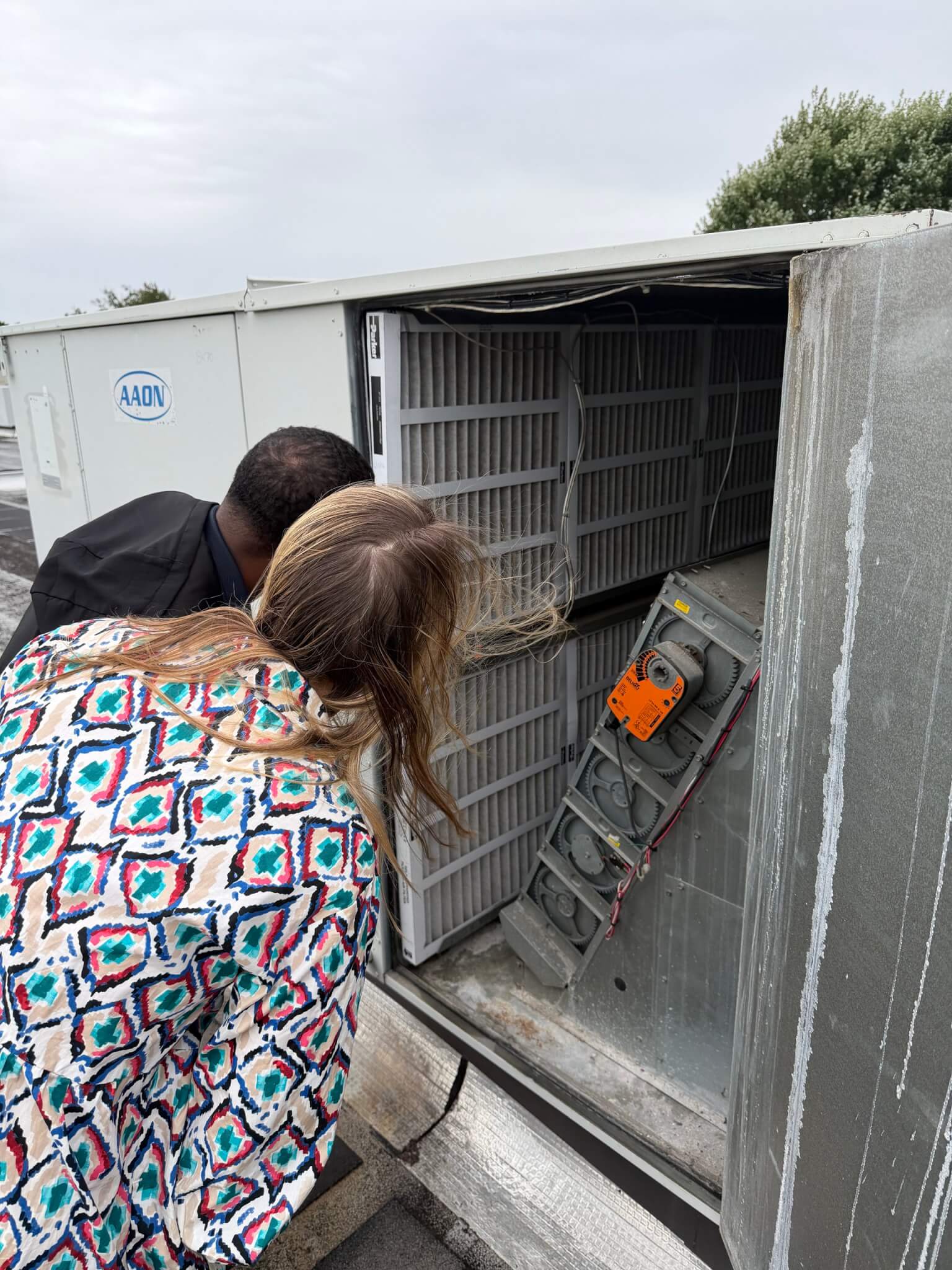
Suburban | EPA Region 3. Near Philadelphia in Delaware County, this district enrolls about 3,900 students in six Title I schoolwide schools, and nearly all qualify for free or reduced-price lunch. It reports recent HVAC and air conditioning upgrades in all of its schools, and Dr. Jeffrey Ryan was named superintendent in May 2026. No districtwide IAQ management plan has been identified publicly, so monitoring, filtration and moisture prevention are natural next steps.
Miami-Dade County Public Schools (Miami, FL)
Urban | EPA Region 4. Florida’s largest district serves about 333,000 students in 530 schools. In 2024 it was the only Florida district to win a $15 million U.S. Department of Energy Renew America’s Schools prize for upgrades that cut energy costs and improve indoor air quality, and its School Board has set a goal of 100 percent clean energy by 2030. In South Florida’s humidity, moisture control and ventilation balance matter most, and School Board materials from 2021 acknowledged challenges keeping HVAC running in older schools.

Sustainability leaders: Adding IAQ to a strong foundation
Milwaukee Public Schools (Milwaukee, WI)
Urban | EPA Region 5. Wisconsin’s largest district serves about 65,600 students in 154 schools, and the district reports that about 81 percent are economically disadvantaged. It has a five-year Sustainability Action Plan backed by more than $39 million in grants, according to local reporting, plus a Green Revolving Fund and a Lead Action Plan, yet Superintendent Brenda Cassellius has described a system of buildings that average about 85 years old, with only about a quarter of classrooms air conditioned. A management plan can connect the sustainability work to day-to-day building operations.

Moreno Valley Unified School District (Moreno Valley, CA)
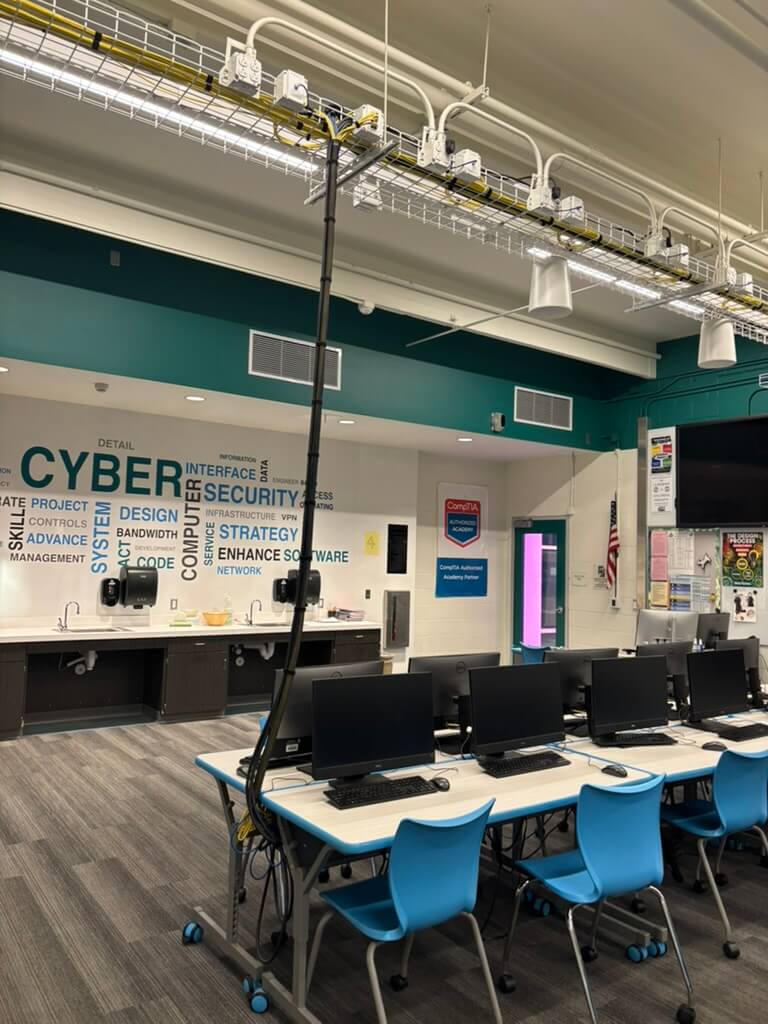
Suburban | EPA Region 9. This Riverside County district serves about 30,400 students in 40 schools, and about 86 percent qualify for free or reduced-price lunch. It was named a 2023 California Green Ribbon Schools “Green Achiever,” runs 42 electric school buses and employs a dedicated energy manager. With ozone-heavy smog and wildfire smoke in the region, California’s guidance for schools on smoke days makes well-maintained HVAC filtration a front-line tool.
Older buildings and lean budgets: Building a plan from the ground up

Roanoke City Public Schools (Roanoke, VA)
Urban | EPA Region 3. This southwest Virginia division serves about 13,800 students in 26 schools. In June 2026, the School Board redirected money from learning cottages toward long-term maintenance and building repairs as the superintendent warned that its two high schools are over capacity. A maintenance-first moment is a natural time to put ventilation and monitoring, including humidity in crowded classrooms, on the agenda.
Monroe City Schools (Monroe, LA)
Urban | EPA Region 6. This northeast Louisiana district serves about 8,000 students in 24 schools, including Neville High School, an Art Deco landmark on the National Register of Historic Places, and about 81 percent qualify for free or reduced-price lunch. Superintendent Sam Moore III said in 2024 that most buildings are more than 50 years old, which in a hot, humid climate makes ventilation and moisture the first places to look. With no standalone IAQ program yet, a first management plan can build on existing maintenance and HVAC work.
Ferguson-Florissant School District (St. Louis County, MO)
Suburban | EPA Region 7. This North St. Louis County district serves about 8,800 students from preschool through 12th grade in roughly 23 schools, and federal data show nearly all students at several schools are classified as economically disadvantaged. Its recent lead-in-water testing and remediation offers a ready model for IAQ communication. One management plan will need to work across early childhood centers, elementary, middle and high schools and specialty sites.
Takini School (Howes, SD)
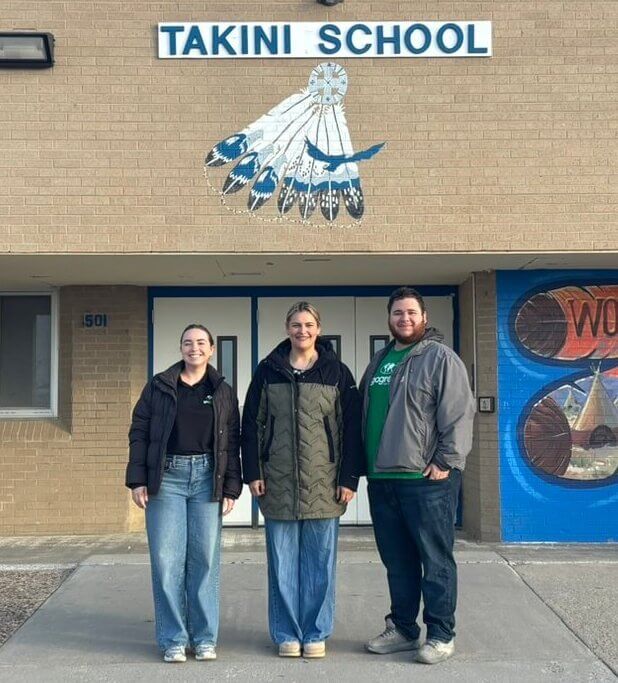
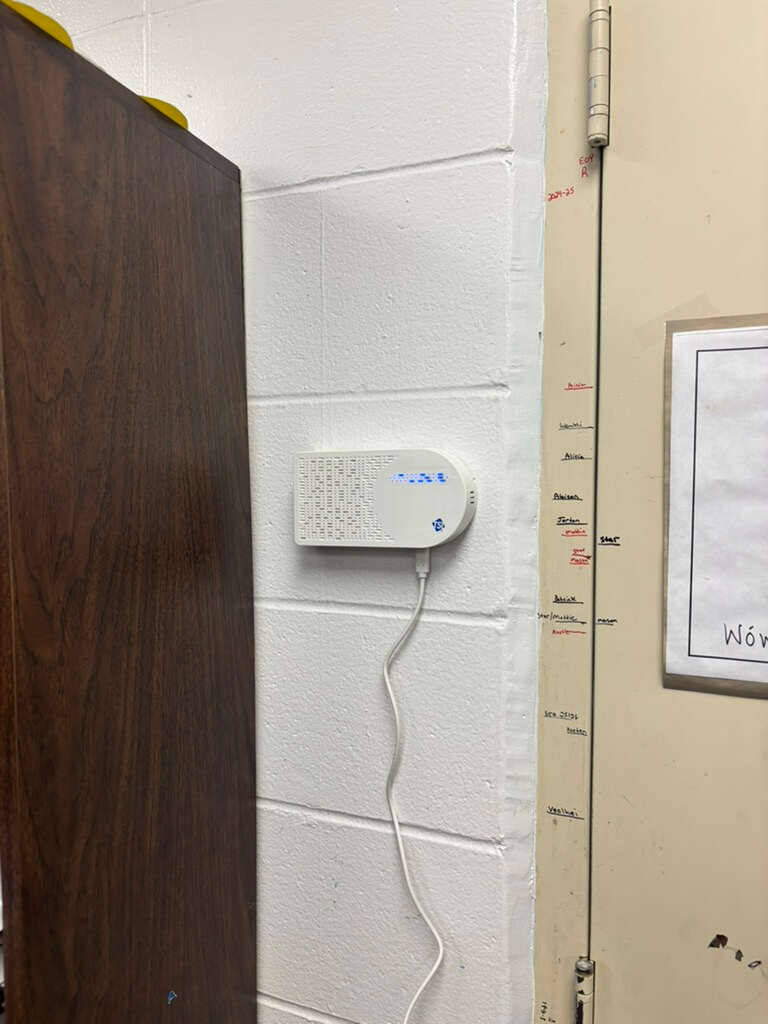
Rural | EPA Region 8. This K-12 school on the Cheyenne River Sioux Reservation in Ziebach County serves 153 students, all American Indian or Alaska Native, and about 98 percent are eligible for free or reduced-price lunch. The school’s name is a Lakota word meaning “to survive,” and its mission pairs academic success with Lakota language, traditions and values. The Bureau of Indian Education is investing in the campus, including a 2025 water tower rehabilitation and a 2026 fire-alarm replacement, and a clear plan, simple monitoring and trained local staff would give a small facilities team a repeatable process for a building more than three decades old.

Building new: Designing healthy air in from day one
Taholah School District #77 (Taholah, WA)
Rural | EPA Region 10. This K-12 district serves about 190 students in Taholah, the capital of the Quinault Indian Nation on Washington’s Pacific coast. The Quinault Nation is moving much of the lower village uphill, out of danger from floods, storm surges and a future tsunami, according to regional reporting, and the district broke ground in October 2025 on a new 75,000-square-foot K-12 campus planned for about 250 students and, per its website, coming in 2027. Building IAQ management into the project means moisture and mold control, wildfire smoke protection and HVAC that local staff can maintain are part of the school from day one.
What comes next, and how your district can join in
Cohort 2 follows Cohort 1. Each Cohort 2 district signs a Memorandum of Understanding and works with qualified EPA and GGI staff through six steps:
- Enact school board policy to address both IAQ management and GHG reduction
- Complete baseline IAQ and GHG assessments
- Ensure key stakeholders complete training
- Complete a plan to manage IAQ and reduce GHG emissions
- Enact those plans districtwide
- Measure, quantify and report results after implementation
Whichever starting point sounds like your district, step four, the management plan, is the heart of the program, and any district can start building one today. GGI’s free Unit 1, Course 1: Creating an Energy Efficient IAQ Management Plan walks you through it, whether you serve an urban core, a suburb or a Tribal community.
That same plan is also the quickest way to earn points in the 2027 Magna Awards, which introduce Urban, Suburban and Rural categories this cycle. A new IAQ Management Plan is worth up to 100 of 500 points, and applications are due December 4, 2026.

Take the Next Step
- Start the free course: GoGreenInitiative.org/Courses-IAQ
- Explore the IAQ hub: GoGreenInitiative.org/IAQ
- Review the 2027 Magna Awards before the December 4 deadline
- Serve an economically distressed or Tribal school district? Applications for the next IAQ cohort are now open, with priority for your community.
Looking ahead: The next Go Green Initiative Indoor Air Quality Cohort offers selected districts funding of up to $40,000 each, along with training, technical assistance and IAQ monitors. No matching funds are required, and priority goes to economically distressed and Tribal districts.
Healthier air, Healthier schools, Healthier futures. Learn more at GoGreenInitiative.org/IAQ.
This work is supported by the U.S. Environmental Protection Agency. For more on managing indoor air quality in schools, explore the EPA Tools for Schools webinar series in the EPA’s IAQ webinar library.


Recent Posts